Summer means terraces, evenings with friends, and sometimes a few too many drinks. The next day, fatigue and headaches are mainly the result of rapid dehydration. The good news is that, with the right hydration habits, you can limit the damage and get back on your feet much faster. Here’s how to do it before, during, and after the evening.
Why alcohol dehydrates your body so much
Alcohol has a powerful diuretic effect, causing your kidneys to eliminate more water than you actually drink. With around four drinks, your body can lose up to an additional liter of water, along with the minerals that go with it: sodium, potassium, and magnesium. This loss of electrolytes explains many of the next-day symptoms, such as headaches, intense fatigue, dry mouth, and sometimes cramps. The more you drink during the evening, the more pronounced the dehydration and the longer recovery takes.
If you want to understand exactly how much sodium, potassium, and magnesium alcohol causes you to lose, we explored the subject in our article on electrolytes and hangovers.
7 habits to help you recover after a night of drinking
1. Drink water between every drink
This is the simplest and most effective habit. A glass of water between two alcoholic drinks slows alcohol absorption and limits cumulative dehydration throughout the evening, without putting a damper on the fun.
2. Never go out on an empty stomach
Eating before you go out slows alcohol absorption and limits spikes in your blood. A complete meal with protein and healthy carbohydrates makes a real difference in how your body handles the evening.
3. Replenish your minerals before going to bed
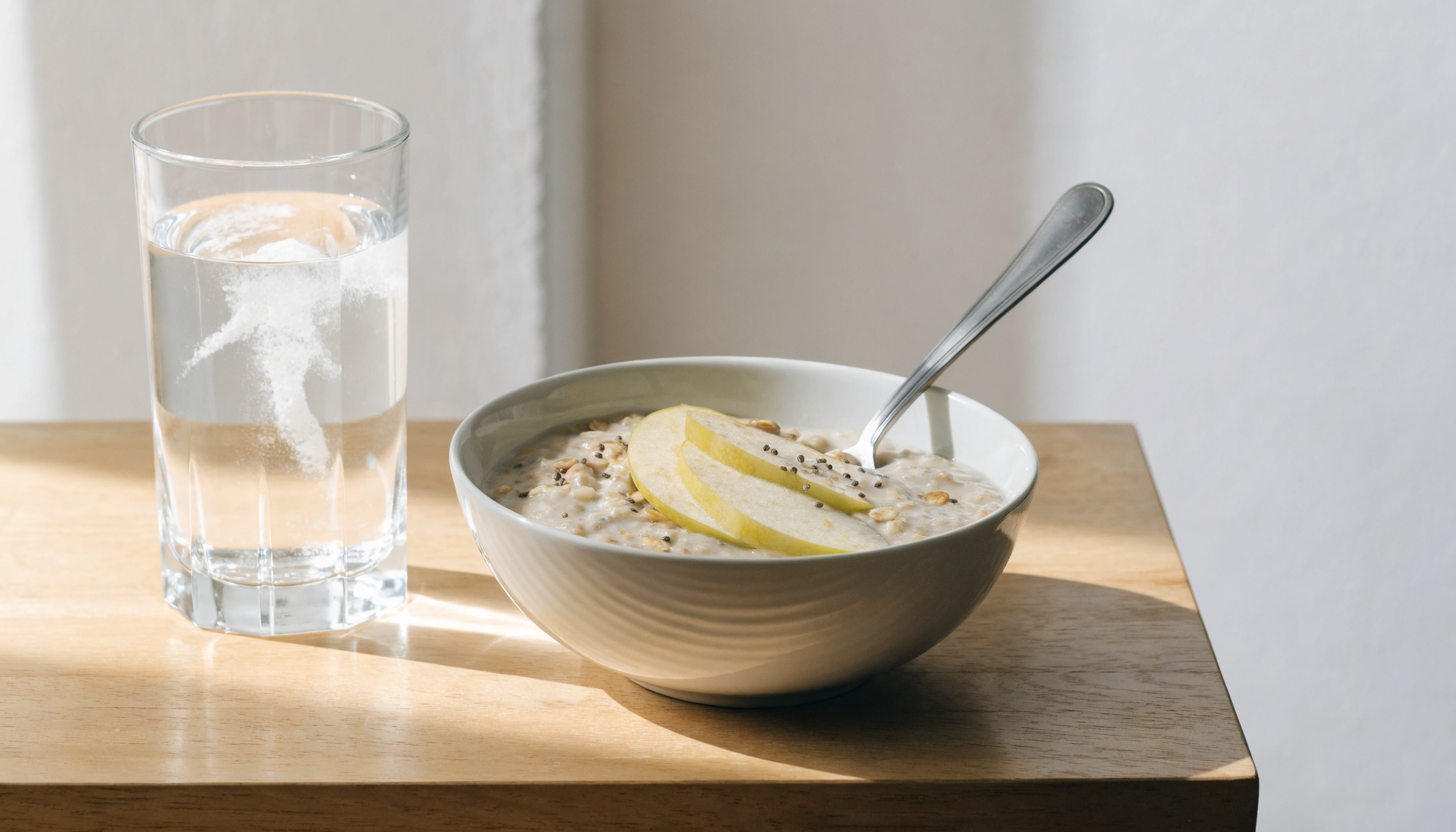
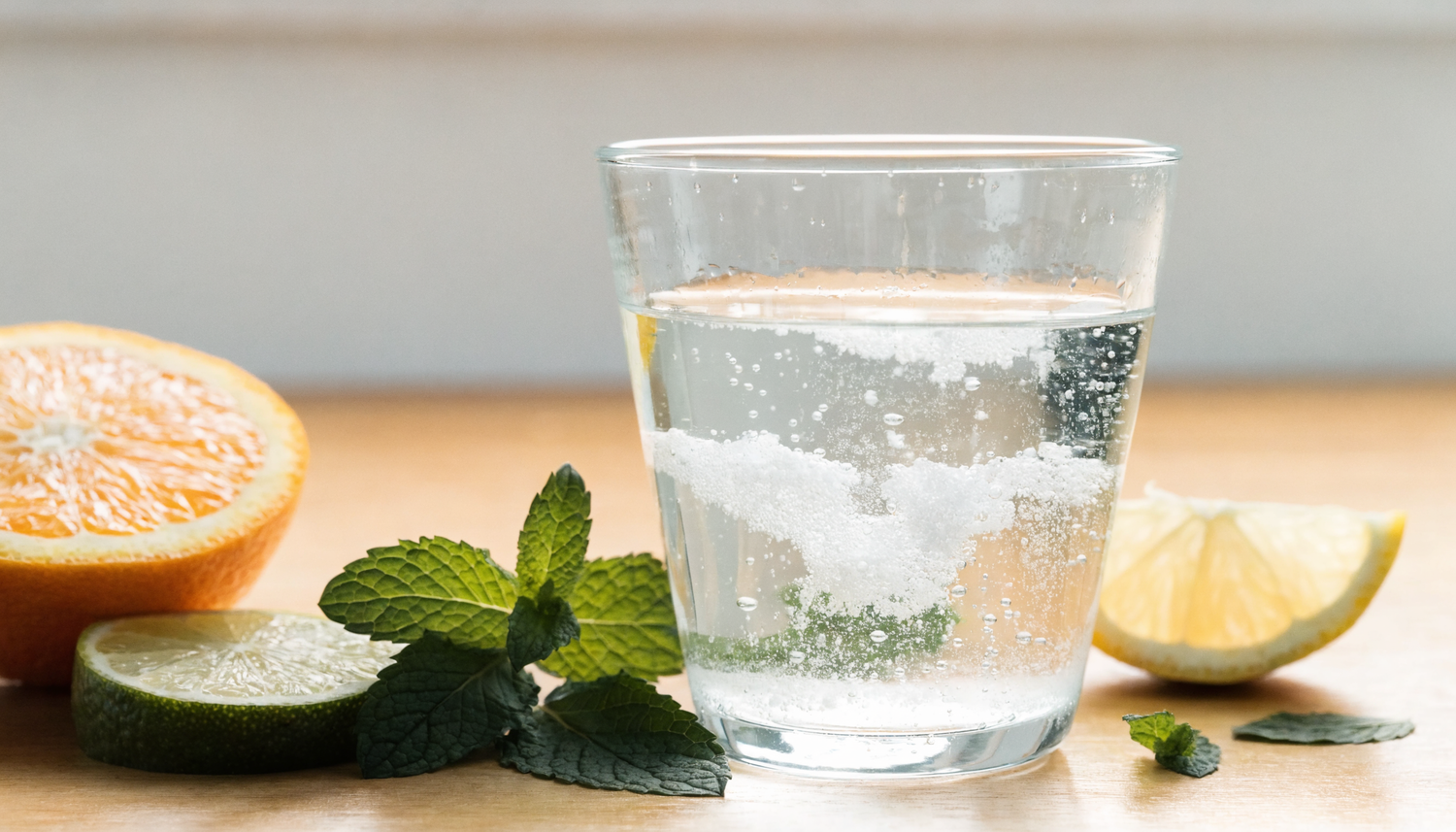
Just before bed, a large glass of water accompanied by a source of electrolytes helps compensate for some of the losses from the evening. It’s the kind of simple step many people forget, even though it can really make a difference the next day.
4. Choose minerals over coffee when you wake up
In the morning, the urge for coffee is almost automatic, but caffeine also has a diuretic effect that can worsen dehydration. It’s better to start with water or an electrolyte-rich drink, then have coffee a little later in the morning if needed. That’s exactly what Buddy electrolytes are designed for: quickly replenishing sodium, potassium, and magnesium, with no added sugar.
5. Eat light but complete meals
Broth, bananas, cooked vegetables, and eggs are foods that provide minerals and energy without weighing down digestion that has already been stressed by the evening.
6. Move gently instead of staying in bed all day
A walk in the fresh air gets your circulation going again and helps your body eliminate alcohol-related toxins more quickly. There’s no need for intense exercise; a 20-minute walk is more than enough to start feeling better.
7. Give your body the time it needs
Depending on how much alcohol you consumed, symptoms can last anywhere from a few hours to a full day. Listen to your body, continue hydrating regularly, and avoid immediately following it up with another night of drinking before you’ve truly recovered.
For mineral replenishment before bed, our electrolyte powder dissolves in a large glass of water and provides 252 mg of sodium, 300 mg of potassium, and 56 mg of magnesium, with no sugar. Our electrolyte drinks guide explains when this is worthwhile, and drinkscore.info compares the actual amounts on the market.
FAQ: your questions about recovering after a night of drinking
How long does a hangover last?
Generally between 6 and 24 hours, sometimes a little longer depending on how much alcohol was consumed and each person’s sensitivity.
What should you drink to recover faster after drinking too much?
Plenty of water, combined with a source of electrolytes such as sodium, potassium, and magnesium, to compensate for mineral losses. Very sugary or carbonated drinks are generally not the most effective.
Is coffee a good idea for a hangover?
Not really. Caffeine slightly worsens dehydration. It’s better to rehydrate your body first, then have coffee a little later if needed.
Is drinking water just before bed after a night of drinking a good idea?
Yes, it’s one of the most effective steps. A large glass of water before bed helps limit a significant part of overnight dehydration.
Do electrolytes really work against hangovers?
They don’t eliminate all symptoms, but they do help compensate for the mineral losses caused by alcohol, which often reduces the fatigue and headaches experienced the next day.
There’s no need to sacrifice your summer evenings to feel good the next day. A little water between drinks, some minerals before bed, and your body will thank you when you wake up.