Headache, dry mouth, fatigue that lingers all day. A hangover is nothing mysterious; it is mainly caused by severe dehydration and a loss of essential minerals. Here's how electrolytes can really help you limit the damage, whether it's after an evening with friends or a summer festival.
Why alcohol dehydrates your body so much
Alcohol is a powerful diuretic. It causes your kidneys to eliminate much more water than you actually drink, which explains why you end up going to the bathroom every twenty minutes on a night out. This process leads to a loss of water as well as minerals, and it is precisely this combination that causes the headache, fatigue, and sticky-mouth feeling the next day.
The more you drink and the hotter it is, as at a midsummer festival, the faster dehydration builds up. Dancing for several hours in the sun while drinking alcohol is one of the worst combinations for your fluid balance.
The key role of electrolytes the next day
Sodium, potassium, magnesium: what alcohol makes you lose
In addition to water, alcohol causes your body to lose sodium, potassium, and magnesium. These three minerals are essential for the proper functioning of your muscles, nervous system, and energy levels. Their deficiency largely explains the cramps, fatigue, and heavy-body feeling you experience when you wake up.
Why water alone is not always enough
Drinking a large glass of water before bed is a good habit, but it is not always enough to restore your balance. Without minerals, the water you drink is sometimes eliminated almost as quickly as it is absorbed, without truly rehydrating your cells deeply. That's why an electrolyte-rich drink is often more effective than a simple glass of water for genuine recovery.
These losses are the same as those observed after heavy sweating. Our electrolyte drinks guide explains the mechanism in detail.
The right approach before, during, and after the evening
Before going out
Starting out well hydrated makes a big difference. Drinking water normally throughout the day, without waiting until you are thirsty, allows your body to begin with good reserves before your first drink.
During the evening or festival
The old advice of one alcoholic drink followed by one glass of water still holds true. If you are at a festival in the heat, also remember to replace the salt you lose through sweating, not just the water. An electrolyte drink between two alcoholic drinks will help limit the damage far more than a simple glass of plain water.
When you wake up
The next morning, choose a drink rich in sodium, potassium, and magnesium rather than just coffee, which also has a dehydrating effect. Add a light breakfast, a potassium-rich fruit such as a banana, and give your body time to recover before resuming intense activity. That's exactly what Buddy electrolytes were designed for, with sodium, potassium, and magnesium and no added sugar.
Not all alcoholic drinks are equal
Alcohol content is not the only factor that matters for your dehydration. Some drinks contain congeners, compounds produced during fermentation, which make recovery more difficult the next day.
Red wine and amber spirits
Red wine, whisky, and rum contain more congeners than clear spirits. These compounds are associated with more intense hangovers, in addition to alcohol's usual dehydrating effect.
Beer and sugary cocktails
Beer is slightly more hydrating than pure spirits because of its water content, but the total volume consumed during an evening often offsets this advantage. Very sugary cocktails add another factor, with sugar spikes that disrupt your energy levels the next day.
If you want the practical version rather than the mechanism, we've brought together seven concrete tips in our article on how to recover after a heavy night of drinking.
Common misconceptions that do not really help
Eating fatty food before going out protects you from everything
Eating before drinking slows alcohol absorption, which is a good thing, but it does not change the dehydration that follows. A large meal before the evening does not prevent the loss of minerals caused by alcohol; it simply delays the effects you feel at first.
A coffee in the morning solves the problem
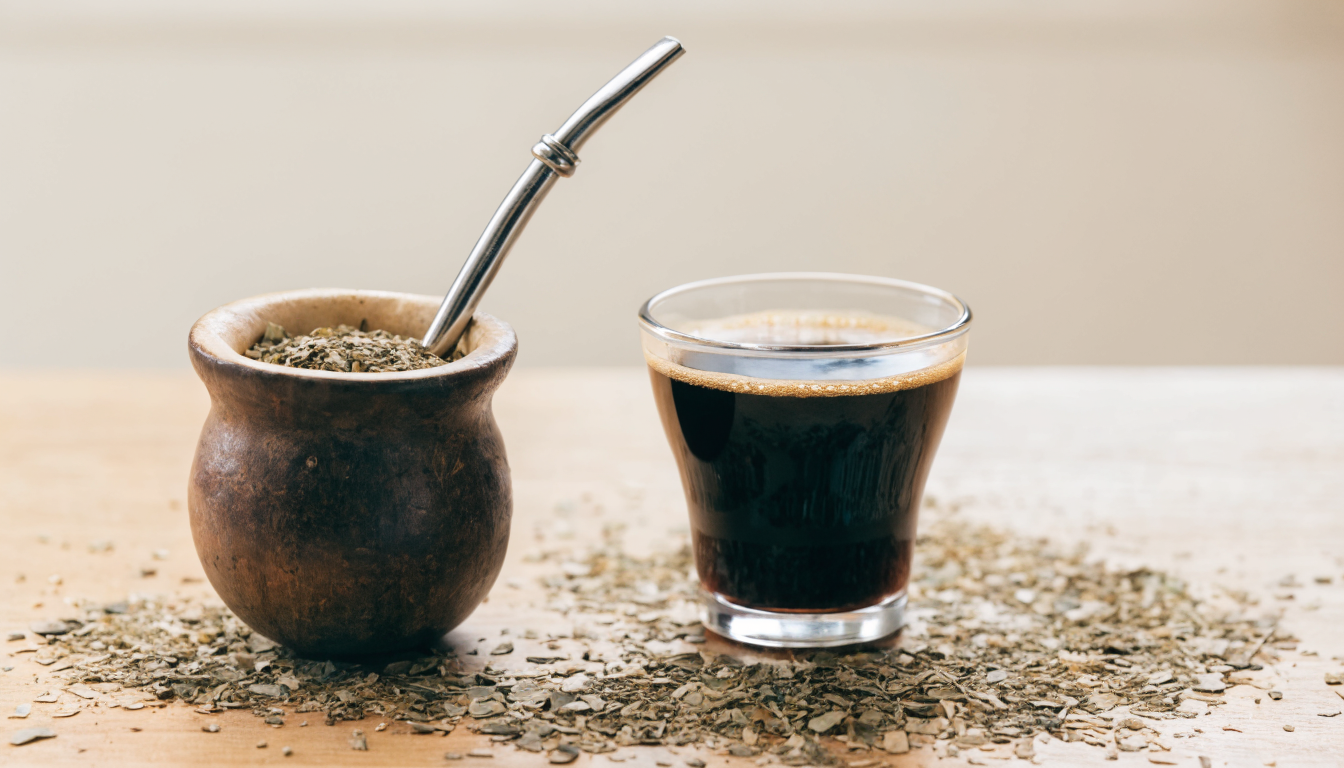
Coffee may make you feel more awake, but caffeine is also a diuretic. If you drink it too early while your body is already dehydrated, it can intensify the feeling of fatigue once its stimulating effect wears off. It is better to rehydrate your body first before thinking about coffee.
Having another drink to make the discomfort go away
This popular trick only postpones the moment when your body has to deal with dehydration. It does not solve anything fundamentally and simply prolongs the cycle, usually with a steeper price to pay the following day.
What if the evening is going to be a long one?
If you know in advance that the evening will involve a lot of drinking, or that you are spending several days at a festival, it is better to plan ahead than suffer the consequences. Always keep a bottle of water within reach, alternate alcoholic drinks with non-alcoholic beverages, and pack electrolytes in your bag. Your body will thank you the next morning, and you will enjoy the rest of the festivities much more if you are not stuck in bed at noon.
For the next day, a pre-measured formula means you do not have to rely on improvisation. Our electrolyte powder provides 252 mg of sodium, 300 mg of potassium, and 56 mg of magnesium per stick, with no sugar, and its contents are compared with those of other brands on drinkscore.info.
FAQ: your questions about hangovers and electrolytes
Why do we get a headache the day after a heavy night of drinking?
The headache is mainly caused by dehydration and the loss of minerals resulting from alcohol's diuretic effect. The dilation of blood vessels and the poor-quality sleep that follows a heavy night of drinking also play a role.
Do electrolytes really help with hangovers?
Yes, they help restore the sodium, potassium, and magnesium balance lost because of alcohol more quickly, which often reduces the fatigue and headaches associated with dehydration.
What should you drink before going to bed after a heavy night of drinking?
A large glass of water accompanied by electrolytes is still the best option before bed. It allows your body to begin rehydrating while you rest, rather than waiting until you wake up to take action.
How long does a hangover usually last?
Most symptoms generally fade within twenty-four hours. The duration mainly depends on the amount of alcohol consumed, your level of hydration during the evening, and the quality of your sleep.
Does exercise help a hangover go away faster?
Light activity such as walking may help you feel a little better, but intense exercise is not recommended while you are dehydrated. It is better to fully rehydrate your body before resuming strenuous physical activity.